50mm binoculars at dusk: how magnification changes exit pupil
50mm binoculars at dusk: how magnification changes exit pupil
TL;DR: A 50mm objective alone cannot settle a dim-light comparison. Using objective diameter ÷ magnification, 12x50 gives a calculated exit pupil of approximately 4.17mm, while 8x42 gives 5.25mm. The smaller-objective configuration therefore has the larger exit pupil in this comparison; those figures alone do not establish which particular binocular will deliver the better view at dusk.
Binocular exit pupil explained: compare both numbers
For dim-light birdwatching, consider objective diameter and magnification together. Nikon’s specification guide states that larger objectives collect more light when magnification is the same. That condition matters: comparing 8x42 with 12x50 changes both variables, so the objective-size rule alone cannot decide the result.
Nikon gives the calculation as:
Exit pupil = effective diameter of the objective lens ÷ magnification.
Its guide identifies exit pupil as an important factor for dawn and dusk viewing. Applying the formula shows why a larger objective does not always mean a larger exit pupil: 50 ÷ 12 is approximately 4.17mm, whereas 42 ÷ 8 is 5.25mm.
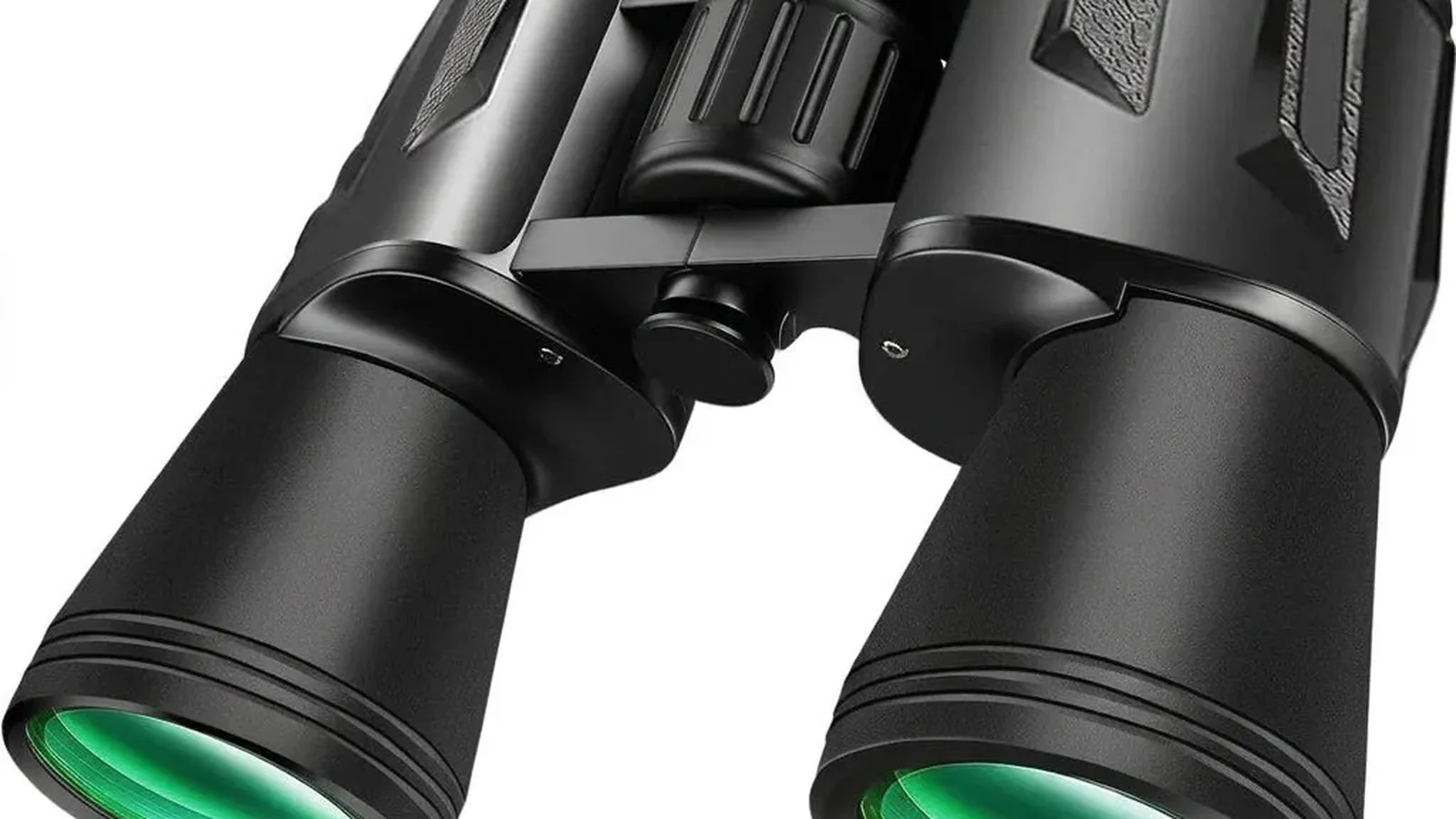
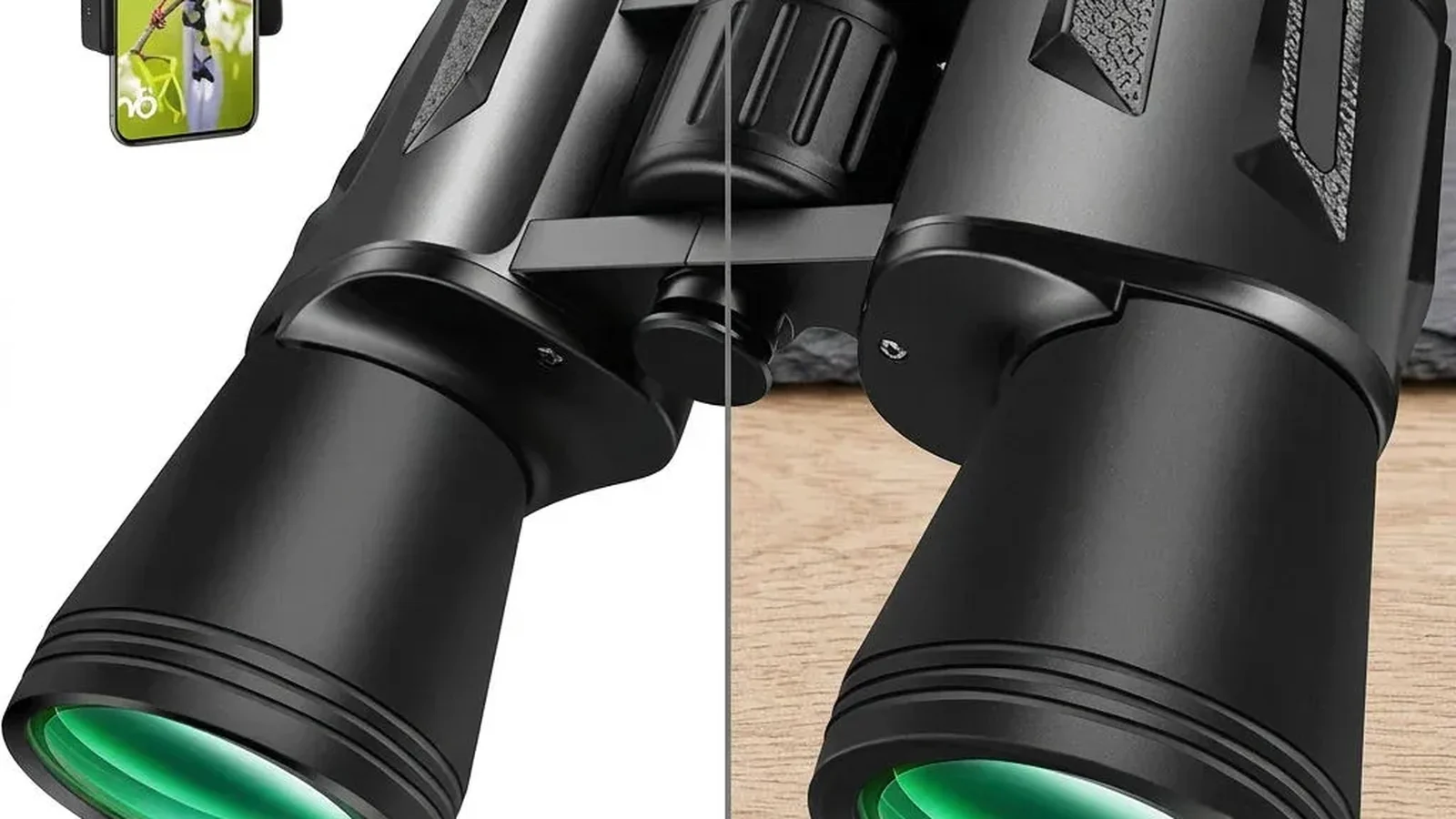
Militnipon’s product page lists 12x magnification and a 50mm objective for its 12x50 wide-angle binoculars. Those published inputs support the nominal 4.17mm calculation. They do not, by themselves, measure the product’s brightness or establish an advantage over an 8x42 model.
Use exit pupil to understand the specification trade-off before choosing which binoculars to try. Treat a claim about the better dusk view as a separate question requiring evidence about the actual models.
Calculate the trade-off before comparing the view
Separate the two variables to see what each contributes. The following are generic configuration calculations, not measurements of particular products or a brightness ranking.
| Configuration | Exit-pupil calculation | Calculated exit pupil |
|---|---|---|
| 8x42 | 42mm ÷ 8 | 5.25mm |
| 8x50 | 50mm ÷ 8 | 6.25mm |
| 10x50 | 50mm ÷ 10 | 5.00mm |
| 12x50 | 50mm ÷ 12 | Approximately 4.17mm |
Keep magnification fixed to examine objective size
Compare 8x42 with 8x50. At 8x, increasing the objective diameter from 42mm to 50mm increases the calculated exit pupil from 5.25mm to 6.25mm. This is also the kind of comparison to which Nikon’s equal-magnification light-collection statement applies.
Nikon notes a practical trade-off: larger-diameter objectives make binoculars larger and heavier. If you are considering that route, check the actual models’ dimensions and weight rather than assigning either a carrying advantage from the configuration alone.
Keep objective size fixed to examine magnification
Compare the three 50mm examples. Raising magnification from 8x to 10x to 12x reduces the calculated exit pupil from 6.25mm to 5.00mm to approximately 4.17mm. The objective remains 50mm throughout; changing the divisor changes the result.
This explains the apparent puzzle in an 8x42 versus 12x50 comparison. The 12x50 configuration has a larger objective, but its calculated exit pupil is smaller because the magnification also increases. Choosing the larger objective does not preserve the same exit pupil when magnification changes.
Keep the calculation separate from a performance verdict
Nikon relates larger exit pupils to brighter viewfield images and highlights their relevance at dawn and dusk. That makes exit pupil useful for understanding a dim-light shortlist. It does not turn this table into a measured comparison of finished binoculars.
For your own shortlist, write down each model’s published objective diameter and magnification, calculate the exit pupil, and label the result as calculated. Keep any observation about the actual view in a separate column. This proposed method helps you distinguish a specification-derived number from something you have checked through the binoculars.
Choose what to compare next
Use the exit-pupil calculation to decide what you still need to check. An 8x42 configuration calculates to 5.25mm and a 12x50 to approximately 4.17mm; that establishes the exit-pupil difference, while leaving the actual dusk-view comparison open.
For a practical next step, try this comparison method:
- Verify the inputs. Use the specification sheet for each exact model. For Militnipon’s 12x50 wide-angle binoculars, the seller lists 12x magnification and a 50mm objective; these give a nominal exit pupil of approximately 4.17mm.
- Choose the comparison that answers your question. To explore objective size, shortlist configurations with the same magnification. To explore magnification, shortlist configurations with the same objective diameter. If both change, calculate both exit pupils before drawing a conclusion from lens size.
- If a trial is available, compare the view you need. Try the shortlisted binoculars on the same subject, under similar dim-light conditions and with your intended viewing support. Record whether you can distinguish the detail you need. Treat this as a personal assessment, not a controlled test or a universal product ranking.
- Ask what supports any stronger promise. If a recommendation claims that one model is brighter, has better coatings or provides extra useful viewing time at dusk, ask for evidence specific to that claim. The exit-pupil formula supplies a diameter, not those performance results.
For dim-light birdwatching, the useful question is therefore: “What exit pupil does this combination of objective size and magnification provide, and what can I establish about the actual view?” That keeps the arithmetic useful without asking it to decide the whole purchase.
Sources for checking the reasoning
- Nikon: Choose by specifications — the exit-pupil formula, the equal-magnification condition for objective-size comparisons, and the relevance of exit pupil at dawn and dusk.
- Militnipon: 12x50 wide-angle binoculars — the seller’s published specifications used for the product-specific calculation.